 Denise Antalis, DDS
 Meet the Team
 Blog
Blog
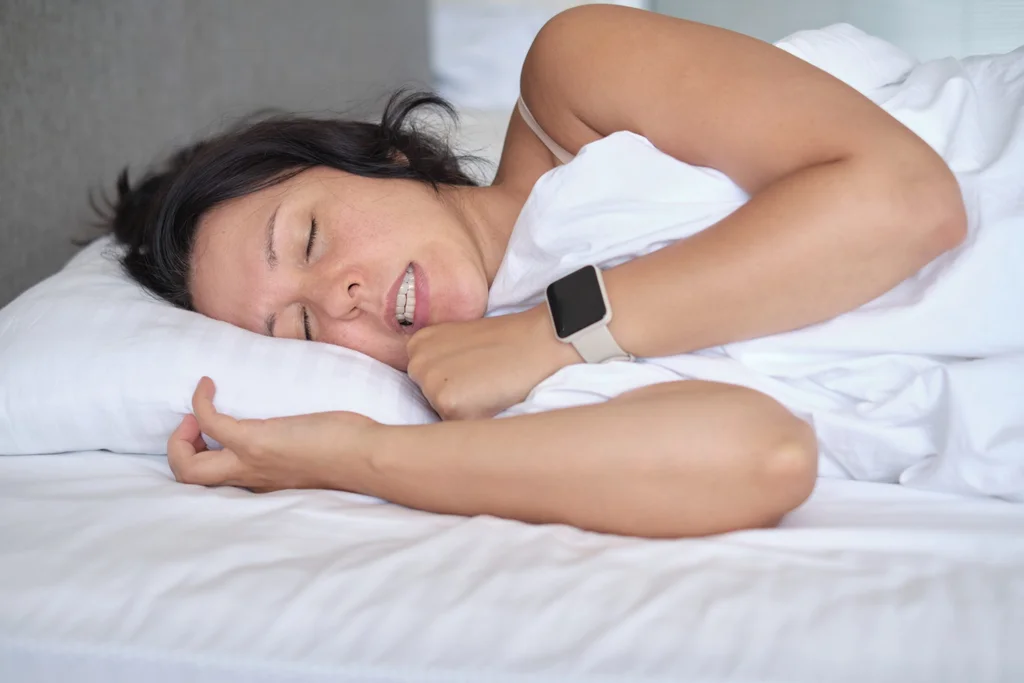
If you wake up tired even after a full night’s sleep, you’re not alone. Sleep problems can manifest as daytime sleepiness, loud snoring, or nighttime headaches. For many, these signs point to sleep apnea, a common disorder affecting breathing, oxygen levels, and overall wellness.
At OhioSmiles in Cambridge, Ohio, we prioritize your comfort and long-term health, including how sleep impacts your mouth. When breathing stops or becomes shallow at night, both your body and smile can feel the strain. Fortunately, a supportive dental team can help you recognize signs, guide you toward the right health information, and discuss dental options that may suit your needs.
What is sleep apnea, and what are the types of sleep apnea?
Sleep apnea involves repeated pauses in breathing during sleep. When breathing stops, even briefly, your body may not get enough oxygen, leading to sleep deprivation and increased health risks.
Understanding the types of sleep apnea helps in asking the right questions. Obstructive sleep apnea, the most common type, occurs when the upper airway narrows or becomes blocked, often around the throat. Central sleep apnea relates to how the brain signals breathing. A sleep medicine provider can help determine the most accurate diagnosis.
Could sleep apnea be affecting your smile?
Early clues can appear in your mouth, and dental visits can help connect those dots. If your body works harder to breathe at night, you may clench, grind, or hold tension in your jaw, leading to facial soreness and TMJ discomfort, and increased tooth sensitivity.
Mouth breathing and dry mouth are common with obstructive sleep apnea. Reduced saliva means less natural protection against cavities and gum irritation, highlighting the importance of preventive dentistry and regular dental exams to stay ahead of changes you might not notice daily.
Common signs and symptoms of sleep apnea to watch for
Many assume sleep apnea symptoms are dramatic, but they often appear as everyday fatigue or changes noticed by a bed partner. The most common symptom is loud snoring, especially with pauses.
Common signs and symptoms include:
- Loud snoring and restless sleep
- Excessive daytime sleepiness or morning grogginess
- Breathing stops, shallow breaths, or gasping awake at night
- Waking with dry mouth or sore throat
- Headaches, trouble focusing, or mood changes
Risk factors include family history, certain medical conditions, and other issues affecting airway and sleep quality.
Why untreated sleep apnea can impact whole-body health
Sleep apnea affects more than energy. Repeated oxygen deprivation strains the cardiovascular system and disrupts heart rate patterns. Untreated sleep apnea is linked to high blood pressure and increased health risks. Research connects sleep disorders with heart disease, atrial fibrillation, heart failure, and higher heart attack risk.
Interrupted sleep can also hinder metabolism and inflammation management, linking to insulin resistance, weight changes, and shortness of breath with exertion. If you manage medical conditions, protecting your sleep is crucial for overall health.
How diagnosis works: sleep study, sleep lab, and home testing
Diagnosis typically starts with a discussion of symptoms and a physical exam with a physician or sleep specialist. If sleep apnea is suspected, a sleep study may be recommended, either in a sleep lab or through home testing, tracking breathing, oxygen levels, and other markers during sleep.
Results help identify the type and severity of sleep apnea. Terms like severe sleep apnea may be used, and treatment options will be discussed. The goal is steady breathing, safer oxygen levels, and better rest.
Sleep apnea treatment options: CPAP and dental oral appliances
Many with obstructive sleep apnea first hear about positive airway pressure therapy. Continuous positive airway pressure (CPAP) uses a machine to keep the airway open during sleep. For some, it becomes a reliable routine, but comfort, fit, or dryness can make consistent use difficult.
Dental oral appliances are another option, especially when coordinated with your sleep medicine team. Oral appliance therapy uses devices to support the airway by gently repositioning the jaw. A common style is a mandibular advancement device, reducing airway collapse for suitable candidates.
At OhioSmiles, we focus on your comfort as we discuss sleep apnea treatment. If an oral appliance is right for you, the fit and follow-up are crucial. Your appliance should feel secure, supportive, and customized to your bite for confident sleep.
Lifestyle changes that can support better sleep
Treatment often includes daily habits that reinforce progress. Your provider may recommend lifestyle changes to support your airway and sleep quality, such as weight loss guidance, limiting alcohol before bed, and reviewing medications. Coordination with your healthcare team is essential, as some medications can affect sleep.
Small home adjustments can also help. Sleeping position can influence how the tongue and tissues sit in the throat. Some benefit from a special pillow to encourage side sleeping and a more open airway. These steps complement professional care and help you feel better sooner.
Where saliva testing and preventive dentistry fit in
If sleep-related mouth breathing dries your mouth, you may notice more plaque buildup, sensitivity, or higher cavity risk. Saliva plays a key role in balancing your mouth, so saliva testing can help understand your risk factors. It supports patient education and helps you and your dental team make practical prevention choices.
Preventive dentistry is central to protecting your smile while addressing sleep concerns. Regular cleanings, exams, and early detection support healthy gums and strong teeth. If you have restorations, preventive care helps them last longer and feel more comfortable.
Bringing it all together at OhioSmiles in Cambridge, Ohio
Sleep concerns can be confusing, especially when symptoms overlap with stress or routine changes. Clear guidance helps. If you suspect sleep apnea affects your energy, jaw comfort, or oral health, start by talking with a trusted healthcare provider and keeping your dental team informed.
OhioSmiles offers a range of care with a preventive focus, including oral appliance therapy for sleep apnea and saliva testing. If it’s been a while since your last checkup, we’re ready to welcome you, listen to your experiences, and help you take a confident next step. Request an appointment and keep your smile and sleep moving in a healthier direction.