 Denise Antalis, DDS
 Meet the Team
 Blog
Blog
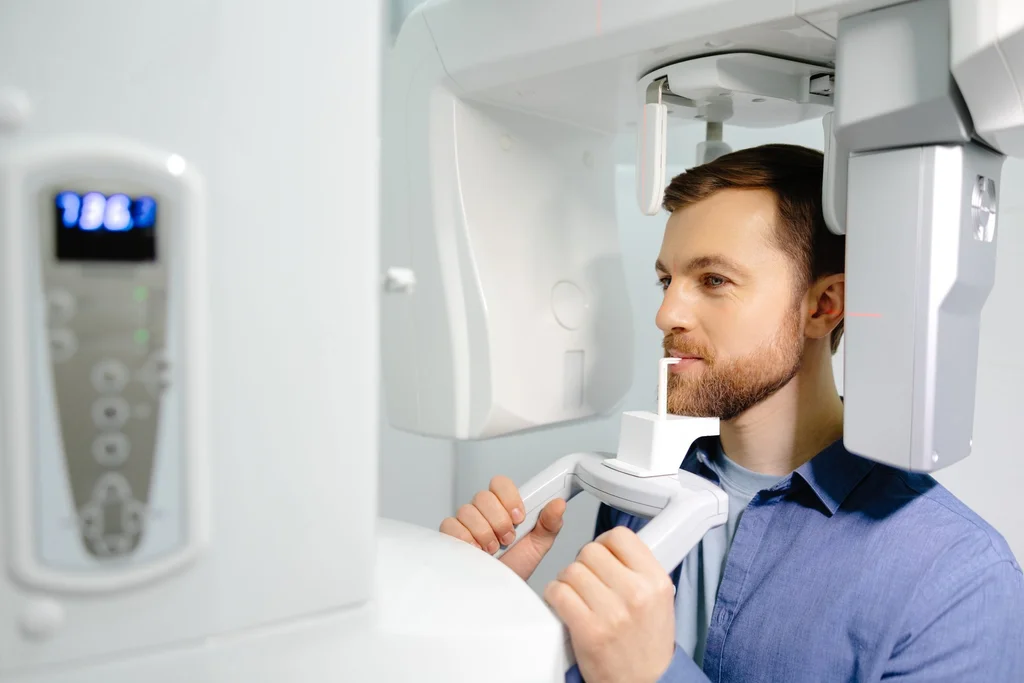
If the words “dental impression” bring back memories of bulky trays, sticky putty, and waiting with your mouth full of messy impression materials, you are not alone. Many people delay treatment options like crowns or clear aligners because they worry the process will be uncomfortable. At OHIOSmiles in Cambridge, Ohio, we focus on patient comfort and clear communication, and that includes using modern dental technology when it genuinely improves your experience.
Today, digital dental impressions help many patients skip the goop altogether. Instead of relying on traditional impressions with physical materials, your dentist can capture images of your teeth and gums using an intraoral scanner to create an accurate digital model. For many people, it feels easier, quicker, and much more manageable, especially if you have a strong gag reflex.
Why did traditional dental impressions feel so uncomfortable?
Traditional dental impressions often used impression materials placed into a tray that had to sit in your mouth long enough to form a physical mold. That approach worked, but it could feel like a lot. The sensation of a full tray, the taste and texture of impression materials, and the pressure on soft tissues made the experience challenging for some patients, especially kids and anyone with dental anxiety.
For others, discomfort came from the gag reflex. When traditional molds extend toward the back of the mouth, it can trigger gagging even if you are trying your best to stay calm. Add in the worry of “what if I swallow” or “what if I move,” and even a routine dental impression could feel stressful. If you have ever put off an appointment because of that memory, you deserve to know you have newer, gentler options.
Do digital dental impressions really replace the goop and trays?
In many cases, yes. Digital dental impressions use digital scans instead of paste-like impression materials, which means there is often no tray filled with putty. At OHIOSmiles, digital impressions are described as using a small camera to take images of your mouth and turn them into a 3D digital model, helping you feel more comfortable without sacrificing detail.
The scanning process also supports more precise restorative work because it captures detailed images of the surfaces your restoration needs to fit. Your dentist can review those images of the oral cavity as they are taken, which helps confirm the scan covers important areas and clear reference points. Many patients appreciate that the experience feels more like taking photos than sitting still with material setting in place.
How digital impressions work (in a patient-friendly way)
You do not need to memorize the tech to feel confident about it. Here is the basic idea behind how digital impressions work. A small handheld scanner is moved around your teeth to capture thousands of data points, creating an accurate digital model on a computer screen. Your dentist can watch it build in real time, which helps ensure the scan is complete before you leave the chair.
A typical scanning process often includes these steps:
- Your teeth and gums are gently dried so the scanner can capture crisp images of your teeth and surrounding soft tissues.
- The digital scanner captures intraoral scans as you relax, breathe through your nose, and take breaks as needed.
- The scan becomes a digital file that can be used in digital workflows, including sharing with dental labs for your custom restoration.
This is part of digital dentistry and modern dentistry that focuses on comfort, precision, and efficiency. For many people, it also means less time spent in the chair compared with some traditional methods.
Comfort matters: digital scans and the gag reflex
If you have a sensitive mouth, you already know that comfort impacts everything, from how long an appointment feels to how confident you feel scheduling the next one. Digital scanning can be especially helpful for patients who struggle with a gag reflex, because it usually avoids the full-arch trays that can sit far back in the mouth. Some situations still require specific techniques, but many patients find intraoral scanning easier to tolerate than traditional dental impressions.
Comfort also comes from control and communication. With a digital approach, your dental team can pause, let you swallow, and then continue, rather than waiting for physical materials to set. Reducing that “hold still and wait” pressure helps many patients feel calmer, particularly if it is your first time back in a while.
What are digital dental impressions used for at OHIOSmiles?
At OHIOSmiles, digital impressions support a wide range of care where accuracy and a personalized fit matter. These scans help improve precision for procedures like dental crowns and dental bridges, along with dentures and veneers. They also pair naturally with cosmetic planning for porcelain restorations and orthodontic treatments like Invisalign®.
Here are common ways a digital impression system supports your treatment process:
- Restorative dentistry: Custom dental restorations need to fit your bite comfortably and look natural. A strong digital model helps guide that fit.
- Cosmetic dentistry: For veneers and porcelain work, detailed images help capture small contours that affect how your smile looks in everyday light.
- Orthodontics: Clear aligners like Invisalign® depend on accurate scans to plan tooth movement and create aligner stages.
- Planning for future solutions: If you are exploring dental implants or other long-term options, digital records can help your dental professionals document areas of concern and track changes over time.
Your dentist will recommend the right approach for your needs, and you can always ask what the scan will be used for so you feel informed at each step.
Accuracy and fewer adjustments: why a digital model helps
A restoration should feel like it belongs in your mouth. When a crown, bridge, or denture fits well, you chew comfortably, speak naturally, and feel more confident. Digital impressions can improve the consistency of this process by reducing common issues that sometimes occur with traditional impression materials, such as small bubbles, pulls, or distortions in the physical mold.
A scan also supports attention to detail. Because the model appears on a screen, your dentist can verify coverage around the gumline and tooth edges, confirm clear reference points, and re-scan a small area right away if needed. That ability to refine the scan supports fewer adjustments later and may reduce the chance of remakes caused by avoidable human error during mixing or setting of materials. It also supports clearer communication with dental labs, since the digital file can be transmitted as part of streamlined digital workflows.
How digital scanning fits into the bigger picture of preventive dental care
Technology works best when it supports your long-term wellness. At OHIOSmiles, the goal stays consistent: protect your oral health with prevention and early detection, then use modern tools when they improve your experience and your results. Digital scanning fits that philosophy because it can make treatment feel more approachable, which encourages you to follow through with care rather than postponing it.
When you feel comfortable, you are more likely to keep regular visits and address small concerns before they become bigger ones. Clear visuals also build confidence. Seeing a digital model or images of your mouth can help you understand what your dentist sees and why a particular restoration or orthodontic plan makes sense for you.
Choosing between traditional impressions and digital tools
Some patients wonder if there is still a place for traditional impressions. In the wider field of dentistry, both approaches exist, and the best method depends on your needs, the case details, and what creates the most predictable result. What matters most is that you feel heard and supported. If you have had a difficult impression in the past, tell your dental team so they can discuss alternatives and comfort strategies.
At OHIOSmiles, the focus stays on matching new technology to real patient benefits. Digital scanning can be a helpful solution for comfort, accuracy, and a smoother treatment process, especially when creating custom restorations and appliances.
Ready for a cleaner, more comfortable impression experience?
If you have been avoiding crowns, veneers, dentures, or Invisalign® because you dread the old putty-and-tray experience, you have options. Digital dental impressions can make the process feel calmer and more comfortable while creating a precise model of your mouth for your next steps in care.
OHIOSmiles in Cambridge, OH is here to help you feel confident about your dental care, from preventive visits to personalized restorations. If you would like to learn whether digital dental impressions are a good fit for your treatment options, we invite you to schedule a visit and talk with our team.