
 Denise Antalis, DDS
 Meet the Team
 Blog
Blog
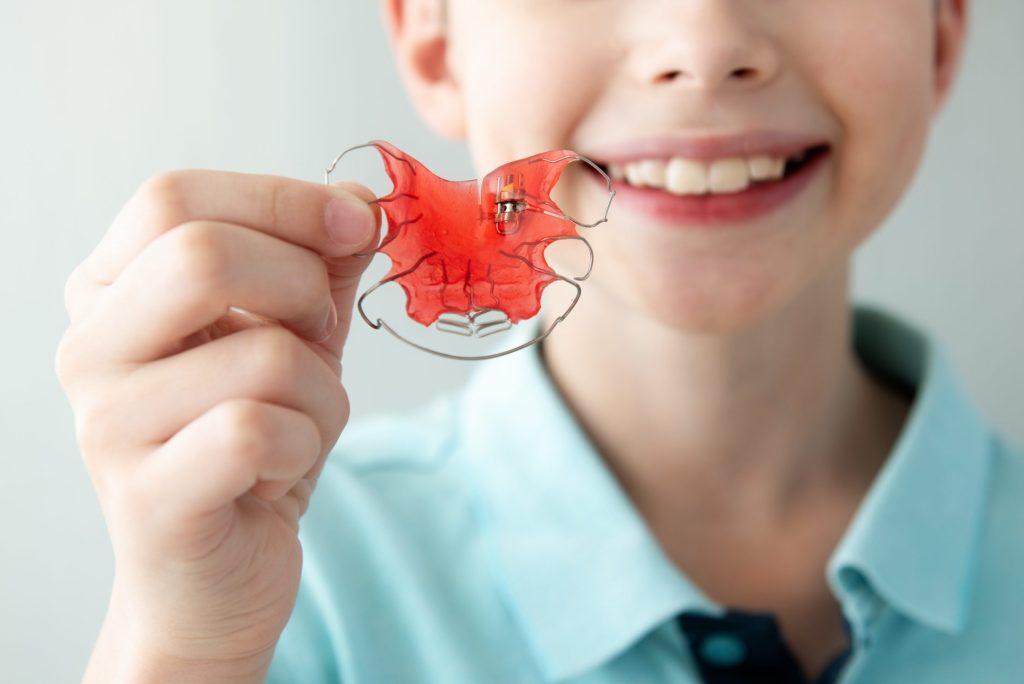
It happens more often than you might think. Your child finished orthodontic treatment, wore their retainer faithfully all summer, and then suddenly it’s gone. Maybe it was left on a lunch tray at camp, accidentally tossed in the trash at a friend’s house, or misplaced during a family vacation. Now school is starting, and you’re wondering how quickly their teeth might shift without that retainer and what you should do next.
The good news is that lost retainer situations are manageable, especially when you take quick action. At OHIOSmiles, Dr. Antalis and our team help families in Cambridge, OH navigate retainer issues and protect the beautiful results of orthodontic treatment. Let’s walk through what you need to know about tooth movement, replacement options, and the next steps to keep your child’s smile on track.
How Quickly Can Teeth Shift Without a Retainer?
This is the question every parent asks when they discover a lost retainer. The answer depends on several factors, including how long it’s been since your child finished orthodontic treatment and how consistently they’ve been wearing their retainer.
Teeth naturally tend to shift back toward their original positions. After braces or clear aligners move teeth into new positions, the surrounding bone and soft tissues need time to stabilize. During the first year after treatment, teeth are at the highest risk of relapse because the bone hasn’t fully hardened around the new tooth position. This is why retainer wear is so important during those early months.
If your child just finished treatment within the past few months, you might notice changes within days or even hours. The front teeth are often the first to show movement because they’re thinner and more mobile. If it’s been a year or more since treatment ended and your child has been wearing their retainer as directed, the risk of shifting is lower but still present. Even after years of proper care, teeth can gradually move without the support of a retainer.
What Causes Teeth to Move After Orthodontic Treatment?
Understanding why teeth shift helps explain why retainers matter so much. Teeth aren’t rigidly fixed in place. They’re held by periodontal ligaments that allow for small amounts of movement throughout your life. After orthodontic treatment repositions individual teeth, these ligaments and the surrounding bone need time to adapt to the new alignment.
Without a retainer to hold teeth in their current position, several factors can trigger orthodontic relapse. The pressure from your lips, tongue, and cheeks constantly pushes against your teeth. Your bite alignment creates forces every time you chew or clench your jaw. Even wisdom teeth, if they’re still developing, can create pressure that shifts other teeth. All of these forces work against maintaining your new smile without the stabilizing effect of retainer wear.
When teeth shift out of alignment, it becomes harder to clean between them properly, which can increase the risk of gum disease and other oral health concerns. This is why protecting your orthodontic results matters beyond just appearance.
Signs Your Child’s Retainer Needs Replacement
Sometimes a retainer isn’t lost but damaged or no longer fitting properly. Watch for these signs that indicate retainer issues:
- Physical Damage: A broken retainer with cracks, warping, or missing pieces won’t hold teeth effectively. Clear retainers can become brittle over time, especially if exposed to hot water or left in direct sunlight. Hawley retainers may develop bent wires or cracked acrylic plates.
- Poor Fit: If your child mentions that their retainer feels tight or uncomfortable after not wearing it for a few days, this suggests their teeth have already started to shift. A poorly fitting retainer that used to slide on easily but now requires force is a clear warning sign that tooth movement has begun.
- Visible Changes: Look at your child’s smile. Do their teeth look slightly different than they did right after treatment? Are there small gaps appearing, or do the front teeth seem rotated? These visual cues indicate that further movement is occurring.
- Hygiene Issues: While not directly related to fit, a retainer that has developed a persistent smell despite proper care may need replacement for hygiene reasons. An old retainer can harbor bacteria even with regular cleaning.
What to Do When You Discover a Lost Retainer
Speed matters when dealing with a lost or damaged retainer. Here are the simple steps to take right away:
First, check obvious places where the retainer might be hiding. Look in the bathroom counter area, the brightly colored case it came in, and anywhere your child recently ate or changed clothes. Sometimes retainers wrapped in napkins end up in the trash, so check there too if it’s recent.
If you can’t find it, contact your orthodontic office or dental health provider immediately. At OHIOSmiles, we understand that retainer replacement is time-sensitive. Dr. Antalis can schedule a replacement appointment quickly to assess whether your child’s teeth have shifted and determine the best option for moving forward.
Don’t try to use an old retainer or a last set of clear aligners from treatment as a substitute without consulting your provider. While it might seem like a good temporary solution, wearing a retainer that doesn’t match your current tooth position can create uneven pressure and potentially cause more harm than good.
Replacement Options for Lost or Broken Retainers
When you come in for a replacement appointment, Dr. Antalis will examine your child’s teeth to determine their current position and whether any significant movement has occurred. Based on this assessment, several replacement options may be available.
If teeth haven’t shifted significantly, creating a new retainer from new impressions is straightforward. We offer different retainer types to suit your child’s needs and lifestyle. Clear retainers provide a nearly invisible option that fits snugly over teeth, similar to clear aligners. Hawley retainers feature an acrylic plate that rests against the roof of your mouth or along your lower teeth, with an adjustable wire across the front. For patients at higher risk of relapse or who struggle with compliance, a fixed retainer bonded to the back of teeth offers permanent protection.
If teeth have shifted noticeably, additional orthodontic treatment might be necessary before a new retainer can be made. This could involve a short period with clear aligners or other appliances to guide teeth back to their new alignment before stabilizing them with retainers.
Having a backup set of retainers can prevent these situations. Some practices provide a backup retainer at the end of treatment, which can be invaluable if the primary retainer is lost or damaged.
Preventing Future Retainer Problems
Once you’ve resolved the immediate crisis of a lost retainer, focus on building good habits to prevent it from happening again. These strategies can help your child protect their smile journey investment:
- Always store the retainer in its brightly colored case when not being worn. Never wrap it in a napkin or tissue, as this is the most common way retainers end up in the trash. Keep the case in a consistent, visible spot at home so it becomes part of the daily routine.
- Establish a regular wearing schedule and stick to it. Most patients need to wear retainers full-time during the first year after treatment, then transition to nighttime wear. Consistency prevents the natural tendency of teeth to shift and makes wearing the retainer more comfortable.
- Practice proper care to extend the retainer’s lifespan. Clean it daily with a soft toothbrush and mild soap, avoiding hot water which can warp the material. Regular cleaning prevents the smell of retainers from developing and keeps them hygienic.
- Schedule regular check-ups at your orthodontic office. These visits allow Dr. Antalis to monitor your child’s bite alignment and ensure the retainer still fits correctly. Early detection of retainer issues prevents more serious problems down the road.
Protecting Your Investment in Your Child’s Smile
Completing orthodontic treatment represents a significant investment of time, effort, and resources. Whether your child wore traditional braces or used clear aligners, achieving that perfect smile took months or even years of commitment. Retainers are the final piece of the puzzle that preserves those orthodontic results for a lifetime.
At OHIOSmiles, we’re here to support your family through every stage of your smile journey. Dr. Antalis brings years of experience helping patients maintain their beautiful results with personalized retainer solutions. Our team understands the unique challenges families face and works with you to find practical solutions that fit your lifestyle.
We’re Ready to Help
If your child has lost their retainer or you’ve noticed their teeth shifting, don’t wait to reach out. The risk of shifting increases with every day that passes without proper retention. Contact OHIOSmiles today at (740) 306-4282 to schedule an appointment with Dr. Antalis. We’ll assess your child’s current tooth position, discuss replacement options, and create a plan to protect their new smile. Whether you need a simple retainer replacement or have concerns about tooth movement, we’re here to provide the compassionate, expert care your family deserves.