 Denise Antalis, DDS
 Meet the Team
 Blog
Blog
Jaw pain that comes and goes can be easy to dismiss, especially during busy, stressful times. Headaches may seem unrelated, something you manage with rest or quick remedies. However, recurring discomfort in the same patterns could be your body signaling that your jaw joint and bite need attention.
At OHIOSmiles in Cambridge, OH, we see how jaw tension impacts daily life, from eating and speaking to sleeping and focusing at work. The good news is that many TMJ issues respond well to conservative treatments, often providing meaningful relief once the causes are identified. Let’s explore what to watch for and how our dental team can help.
What is the TMJ, and why can it cause headaches?
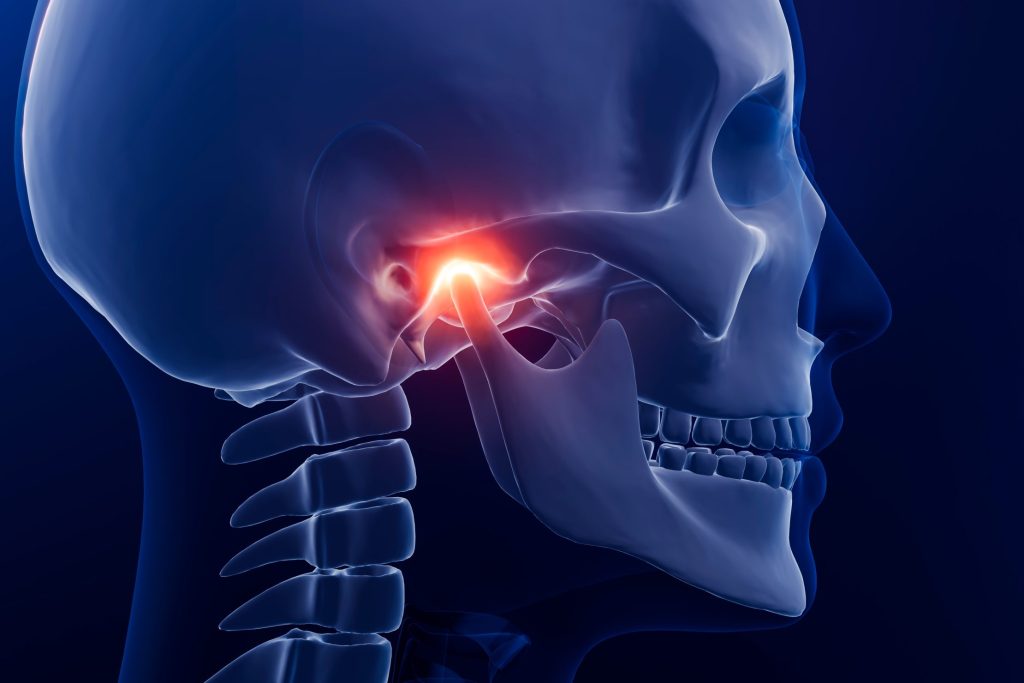
The temporomandibular joint (TMJ) is the small jaw joint located just in front of each ear. It guides your lower jaw through movements like chewing, talking, and yawning. This complex system of muscles, ligaments, and joints can create tension and discomfort when irritated, which may radiate to nearby areas.
When the jaw joint is strained, jaw muscles may tighten to compensate, spreading tension to the temples, forehead, neck, and shoulders. This is why facial pain and headaches often share the same root. TMJ disorders can also cause sensitivity on one side of the face, especially if you clench or chew more on that side.
Is jaw pain or headache pain a sign of TMJ disorder?
Jaw pain and headaches are common TMJ symptoms, especially when paired with jaw clicking, trouble chewing, or difficulty opening your mouth wide. A dental evaluation can connect the dots by assessing your bite, jaw joint, and range of motion. You deserve clear answers and a plan tailored to your comfort.
Common TMJ symptoms you might notice at home
TMJ dysfunction often develops gradually, with symptoms flaring during stressful periods or after poor sleep. If you recognize several of the following signs, it may be time to consult a healthcare provider who evaluates jaw function.
Common TMJ symptoms include:
- Persistent jaw pain, especially in the morning
- Clicking, popping, or grinding sounds in the jaw joint
- Ear pain or pressure near the ears without an infection
- Facial pain along the cheeks or temples
- Tight jaw muscles or difficulty relaxing them
- Trouble chewing or fatigue while eating
- Difficulty opening fully or a “stuck” jaw
- Headaches around the temples
- Limited range of motion or discomfort when yawning
Certain habits, like gum chewing, nail-biting, resting your chin in your hand, or leaning your head forward for long periods, can worsen symptoms.
Why TMJ symptoms can feel worse in winter
Colder months often bring changes in routines that affect the jaw. Spending more time indoors working at a desk, driving, or looking down at devices can pull your head and neck out of alignment, making good posture harder to maintain.
Stress also tends to rise during holidays and schedule changes, leading many people to clench their jaws unconsciously. Even minor clenching can overload the jaw and surrounding tissues, especially at night. If you wake up with a tight jaw or headaches, a protective mouth guard can be a helpful first step.
How a dental team evaluates TMJ issues
A TMJ evaluation begins with listening. You should feel comfortable describing your discomfort, when it started, and what triggers it. Your dentist may perform a physical exam to check how your jaw moves, how far it opens, and whether certain muscles feel tender. Your bite may also be assessed to determine if tooth contact patterns contribute to the issue.
In some cases, imaging like CT scans may be recommended to evaluate joint structure. Treatment plans are based on your symptoms and history, and referrals for additional evaluation may be part of a comprehensive approach. Organizations like the National Institute of Craniofacial Research emphasize that TMJ care should be individualized.
TMJ treatment options that feel practical and patient-friendly
Treatment depends on your specific symptoms, triggers, and jaw movement patterns. Many people benefit from methods that reduce strain, calm inflammation, and support healthier function over time. At OHIOSmiles, TMJ treatment focuses on your comfort and long-term quality of life, often starting with conservative options.
Common TMJ treatments include:
- Custom mouth guards or night guards to reduce clenching and protect teeth
- Guidance on soft foods to reduce stress on the jaw joint
- Strategies for relaxing jaw muscles, both in-office and at home
- Physical therapy exercises for mobility and posture support
- Cognitive behavioral therapy to manage stress-driven clenching
- Discussion of medications for inflammation or pain relief
- Referral-based options like trigger point or Botox injections in select cases
- Evaluation of orthodontic treatment if bite alignment contributes to strain
- In advanced cases, discussion of surgical treatments with specialists
Your care plan should be based on your unique symptoms and goals, as TMJ disorders vary from person to person.
How night guards support your jaw and your sleep
If you clench or grind your teeth at night, your jaw joint and teeth endure significant strain for hours. A custom mouth guard provides a stable surface between your upper and lower teeth, reducing strain and helping your jaw muscles relax. Many patients notice fewer morning headaches and less facial tightness once nighttime clenching is addressed.
Fit is crucial. Over-the-counter guards can feel bulky and may alter your jaw’s natural position. A custom option is designed for your bite, ensuring more comfortable wear and consistent use, which is essential for optimal results.
Simple daily habits that can ease jaw tension
Small daily choices can support your TMJ treatment plan and help reduce tension between visits. These tips are gentle, practical, and effective when practiced consistently:
- Keep your lips closed and teeth slightly apart when resting
- Choose soft foods during flare-ups and avoid wide bites
- Avoid gum chewing until symptoms improve
- Maintain good posture with screens at eye level
- Use warm compresses to relax tight jaw muscles
- Take breaks during long drives or desk work to reset head and neck alignment
These steps complement professional care and can help reduce flare-ups.
When you should schedule an evaluation
Consider a visit if jaw pain, headaches, or ear pain persist, or if you notice jaw clicking with discomfort. Trouble chewing, difficulty opening your mouth, or pain on one side of your face also warrant attention. Seeking help early can prevent symptoms from becoming chronic and protect your teeth from clenching-related wear.
If you’ve been managing symptoms on your own, you’re not alone. Many people live with TMJ dysfunction for months before realizing it’s connected to their bite or jaw joint. The good news is that clear answers can bring real relief and a calmer daily routine.
A supportive next step at OHIOSmiles
You deserve to feel comfortable when eating, speaking, and sleeping. If you suspect TMJ problems, OHIOSmiles is here to help you understand your symptoms and explore treatment options tailored to your needs.